


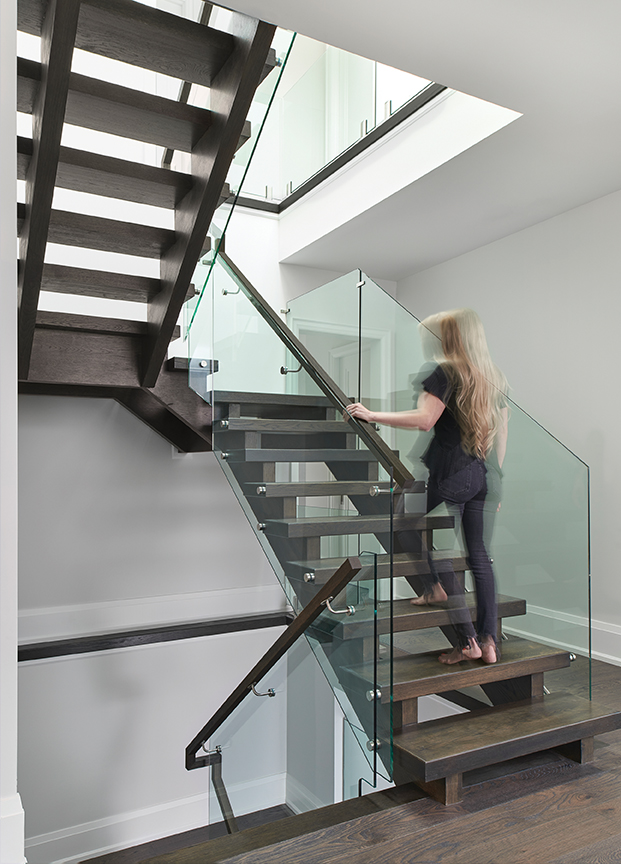
After more than a decade in the interior design industry and having just finished building and renovating my own home, I can say this without hesitation: the projects people feel best about years later are not the ones with the flashiest finishes. They are the ones that were thought through carefully, from the way the house functions day to day to the decisions that quietly support that rhythm over time. Regret tends to show up when choices are made too quickly or in isolation, without a clear sense of how the space will actually be used.
Before you start pinning tile samples or debating paint colours, pay attention to how you move through your home now. Where do mornings bottleneck? Which rooms feel tight for no obvious reason? Where do you instinctively stop, linger, or detour? Home layout and flow are some of the least glamorous parts of home renovation and interior design, but they are also the most powerful. When circulation is intuitive, when rooms connect naturally and pathways feel generous, everything else begins to work better. In my own renovation, resolving a single awkward transition between the kitchen and family room changed how the entire main floor felt, far more than any finish upgrade ever could.

Managing Renovation Expectations
Even the best renovation plans benefit from realistic expectations. Home renovations are rarely linear. Timelines stretch, budgets need recalibration, and there are moments, often during demolition or rough-ins, when it feels like nothing is happening at all. Those phases can be mentally taxing, especially because they do not offer much visual reward. But they are essential. Understanding this upfront makes the renovation process far less stressful and helps prevent rushed decisions made simply to keep things moving.
Renovation Budget Planning and Priorities
Budgeting is where clarity matters most. A good renovation budget is not just a total number; it is a reflection of priorities. Separating what truly matters from what would be nice to have creates flexibility when inevitable adjustments arise. Building in a contingency from the start, particularly in older homes, is not optional, it is strategic.
Planning also means sequencing decisions properly. Layouts, electrical plans, and millwork details should be finalized long before finishes enter the conversation. When those steps are skipped or rushed, renovation costs rise and compromises follow, often in ways that are difficult to undo later.
Where to Invest in Your Home Renovation
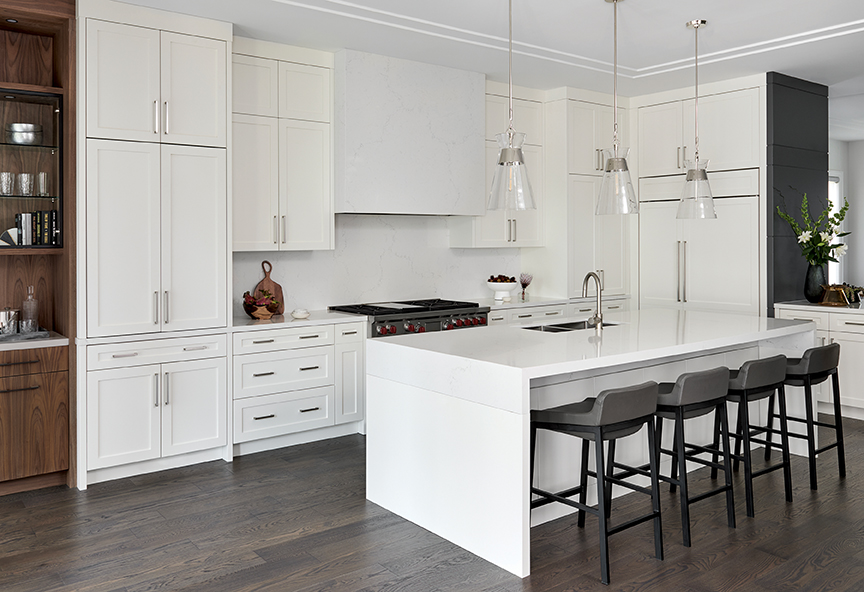
One of the most common renovation mistakes is investing heavily in what is visible while overlooking the underlying structure of a space. Cabinetry proportions, millwork, quality stone, and solid hardware do not shout for attention, but they are the elements you interact with every day. These upgrades hold their value and give a home its sense of quiet confidence long after design trends shift.
If you are deciding where to invest, start with kitchen renovations and bathroom renovations, not for surface-level drama, but for layout, storage, and construction quality. Flooring is another area where restraint pays off. Wood with character or stone with subtle variation will age far better than anything overly polished or trend-driven.

Lighting and Material Selection
Lighting, often treated as an afterthought, is what ultimately determines how a home feels. Well-placed, consistent lighting smooths transitions between rooms and makes the entire space feel more intentional, especially in open-concept homes.
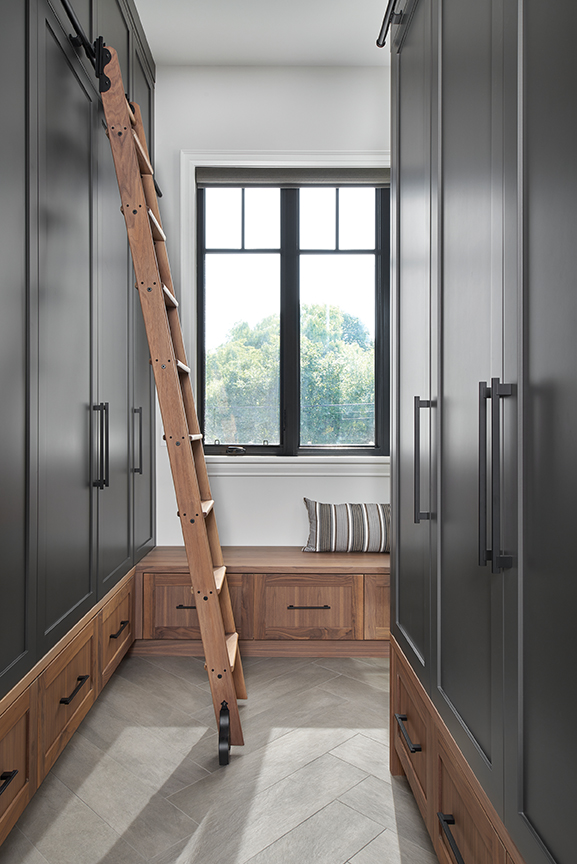
Material choices should support that sense of continuity. Repeating foundational finishes from one room to the next creates flow and helps even narrow or transitional spaces feel considered. A quieter palette at this level allows personality to come through later without overwhelming the architecture or competing with the home’s natural proportions.
Pro tip: when you are torn between a structural upgrade and a decorative one, choose the structural every time. Decorative layers can evolve. The bones of the house are much harder and more expensive to change.
Designing a Home That Stands the Test of Time
Renovating without regret is not about playing it safe or stripping away personality. It is about making decisions that are grounded, deliberate, and aligned with how you actually live, both now and years from now. When that happens, the result feels timeless, not because it avoids trends, but because it was never chasing them in the first place.